

Career As a Glazier
Glaziers are skilled workers who install, repair and replace glass. They can be found in various construction projects, such as schools, homes and office structures.
Most glaziers undergo formal training through an apprenticeship program that lasts for about three years. The program consists of classroom instruction and hands-on training. Glaziers must be able to use their hands well and have physical strength. They should be able to read technical drawings and blueprints.
Job description
The impact that a career as a glass worker could bring to the community is awe-inspiring. The work they do, whether it is on school buildings, high-rises, or even homes will last for many years and make lives more comfortable and safe. They also play an important role in the construction industry, as glass is a standard material for modern construction.
It requires a high degree of technical knowledge and training, as well as the ability to understand construction blueprints. During their training, glaziers are instructed about various methods of installation, how to use equipment and tools, and how to read technical drawings and blueprints. They also receive training in safety procedures and procedures.
People who wish to become glaziers must possess the physical endurance to move large sheets of glass and other materials. It's a hazardous job that requires a good balance as it requires climbing ladders and scaffolding. Glaziers need to have an excellent hand-eye coordination to cut and put glass pieces into frames.
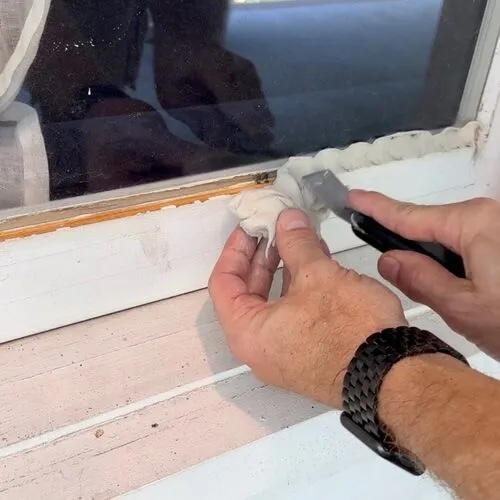
Some glaziers are freelancers, or work in small glass companies. Others are employed in full-time capacity by glazing contractors or building materials and supply dealers. Typically, they train for four years during an apprenticeship program that includes 144 hours technical education and paid training on the job. These programs are run by unions and contractor associations. After completing the program, apprentices are awarded a journeyman title.
Glaziers are often employed on construction sites and they travel to other locations to carry out repairs and service calls. They must be able to analyze the situation and offer solutions quickly and efficiently. They must also be able to communicate effectively with clients and other tradespeople.
Certain Glaziers work in workshops and fabrication facilities, which gives them the chance to concentrate on the technical aspects of their work. These controlled settings allow the glaziers to utilize specialized machinery and tools for tasks like cutting or shaping glass. They may also need to drive trucks that carry glass and other materials to and from job locations.
Education and training requirements
Glaziers install glass in structures, vehicles, skylights, storefronts and other fixtures. Glaziers need to be skilled and precise, and they must also be able to solve problems quickly and efficiently. They work closely with engineers, architects and other tradespeople in order to complete projects in a timely manner and at the highest quality. They must also be adept at communicating with others.
Glazier training requirements can vary however, the majority of employers offer formal apprenticeships that last around 3 years. These courses combine classroom instruction with on-the-job training that is paid. Apprenticeships are offered by many organisations, including unions and contractor associations. They typically require an high school diploma or equivalent. Glaziers may pursue additional education at colleges to improve their skills but this isn't required.
Entry-level glaziers start out as helpers and then learn the trade through on-the-job training. They may also go to an educational institution for technical or vocational education for instruction in the classroom. These courses can teach the fundamentals of glasswork, including how to measure and cut glass and how to use various tools and materials. In addition to the on-the-job training Glaziers are able to participate in continuing education programs that provide workshops and seminars on the latest techniques for glazing and technologies.
You must be physically fit and have excellent vision to become a glazier. You must be able lift heavy panes of glass and use scaffolding or ladders. They should also have good balance since they have to complete various tasks that require standing for long periods and working at heights. Additionally, they should be comfortable working with power equipment and tools.
Some glaziers are self-employed contractors, and provide their services to manufacturers, construction companies and other businesses. This kind of career is becoming increasingly popular, since it provides more flexibility than a traditional full-time job. To obtain a self employed glazing contractor license, one must pass a written test and demonstrate that they are aware of the regulations and standards of the business. To keep your licensing current, you will need to earn a certain number of continuing Professional Development (CPD) points each year. You can earn CPD points through attending workshops, seminars, webinars and by subscribing a publication such as BuiltView.
Work environment
Glaziers work in a variety locations, including construction sites and the homes of their clients. They are responsible for replacing and installing various glass products, including windows and doors, storefronts, and skylights. They also work with other materials, such as wood and metal when they create frames for glass panels. They need to be familiar with blueprints and project specifications, and they should have strong coordination skills to collaborate with other construction professionals.
A career as a glazier could be rewarding and challenging. The job can be physically demanding, and there may be dangers on the job site. Glaziers, for instance often work at a height and must be able to lift heavy glass panels. They must also follow strict safety guidelines to reduce the chance of injury.
Certain glaziers are experts in stained glass. They restore and put in decorative elements in museums, churches and private residences. In order to accomplish their task, they use colored glass pieces and lead strips to create intricate designs. They may also employ soldering and etching techniques. Glaziers also have to be adept at working in heights and using various tools.
Most glaziers are educated in the field or through an apprenticeship. The process of training lasts for about four years, and it includes instruction in various methods of installation as along with the necessary skills to operate the equipment. Apprenticeship programs may also include technical instruction in basic mathematics drawing and reading blueprints and general construction techniques.
A typical day for a glazier consists of the drive to work, unloading the equipment, and then preparing the glass for installation. They might have to work in groups to complete large projects dependent on the scope of their job. When handling glass, they'll require protective equipment, such as gloves and safety glasses.
whitstable Door Glazier and Glazing , in all kinds of weather. This type of job is physically demanding and requires a large deal of standing, bending and lifting. Glaziers have to be comfortable working in high-level areas, as they typically work at least eight stories higher than the ground.
Salary
Glaziers work on many different projects including residential homes to commercial skyscrapers. They interpret architectural and construction blueprints and also can visualize construction installations. Glaziers may also be project managers and glass designers. They could also have their own companies or be self-employed. The median salary for a Glazier is $47,983 per year. This can be raised by changing employers or completing higher education and training.
A career as a Glazier is a great way to have a positive impact on the lives of people in your local community. Your projects, whether it's building an entirely new gym, church, or school, will have a lasting impact on the people living in your area. Your work also allows you to develop your skills, which in turn will assist you in building a stronger career.
Glaziers are physically demanding job. Being on ladders or scaffolding requires physical strength and manual dexterity. To avoid injuries it is important to keep your workspace clean and organized. This will help you avoid potential dangers and cut down on the amount of time it takes to complete your work.
Communication is essential on the construction site. This will ensure that the project is completed in a timely manner and meets industry standards. It is a good idea to be familiar with the tools used by glaziers and how they are employed. Being up to date with the latest technologies is another way to increase the amount you earn.
Many glaziers start their careers as apprentices. During their apprenticeship, they are assistants to experienced glaziers and receive on-the-job training and classes. This allows them to comprehend the different materials, safety measures, and tools necessary for working large pieces of tempered glass.
Glass producers and glass service companies and general contractors employ glaziers. They also can work as independent contractors for small companies or private homeowners. They may also be independent contractors, which allows them to determine their own schedules and prices.